

logo

Special Achievement In Female Urology

Best Kidney stone Treatment in Shivaji Park

img
Best Kidney stone Treatment in Shivaji Park
img

Best Kidney stone Treatment in Shivaji Park

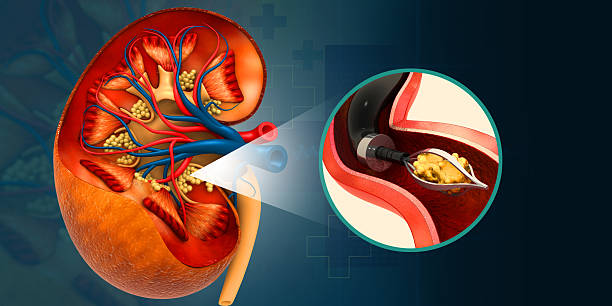
Urinary stones, which medical professionals refer to as kidney stones or renal calculi, develop as solidified material in the kidneys or urinary tract, with stones that range from small particles to large rocks and often produce intense pain during their movement through the urinary tract. Dr. Ajit M. Vaze, an experienced urologist with decades of expertise in diagnosing and treating kidney stones using advanced techniques such as laser and minimally invasive procedures, provides the Best Kidney Stone Treatment in Shivaji Park. Dr. Vaze provides complete medical services to patients who suffer from urinary stones in his current practice located in the Shivaji Park and Dadar regions of Mumbai, where he delivers precise diagnosis and successful treatment methods and permanent solutions for improved urinary health.

What is Kidney Stone:

Kidney stones can form from multiple different types of materials. The most common types include calcium oxalate, calcium phosphate, uric acid, and struvite (magnesium ammonium phosphate). Cystine stones and other rare substances from genetic disorders form less common types of kidney stones. Patients in Shivaji Park who want the best kidney stone treatment should visit Dr. Ajit M. Vaze. He is an experienced urologist who practices in the Shivaji Park–Dadar area of Mumbai. The doctor offers modern diagnostic methods and kidney stone treatments to provide patients with effective relief and long-term protection against stones.

Causes of Kidney Stone:
  • Dehydration: Not drinking enough water can lead to concentrated urine, which increases the risk of stone formation.
  • Dietary Factors: High intake of certain foods, such as those rich in oxalates (like spinach, nuts, and chocolate), can contribute to stone formation.
  • Medical Conditions: Certain medical conditions, such as hyperparathyroidism, urinary tract infections, and gout, can increase the risk of developing urinary stones.
  • Genetics: Some people may have a genetic predisposition to forming stones.
Symptoms of Kidney Stone:
  • Severe pain in the back, side, abdomen, or groin.
  • Painful urination.
  • Blood in the urine.
  • Frequent urination or urgency to urinate.
Diagnosis of Kidney Stone:
  • Imaging tests like X-rays, ultrasound, or CT scans can detect the presence and location of urinary stones.
  • Urinalysis can help identify blood in the urine and detect substances that may contribute to stone formation.
Treatment of Kidney Stone:
  • Pain Management: Over-the-counter or prescription pain medications can help relieve the pain associated with passing stones.
  • Fluid Intake: Drinking plenty of water can help flush out smaller stones.
  • Medications: Depending on the type of stone, medications may be prescribed to help dissolve them or to prevent their formation.
  • Surgical Intervention: Larger stones or those causing complications may require surgical procedures such as lithotripsy (using shock waves to break up the stones), ureteroscopy (using a scope to remove or break up stones), or surgery to remove the stones.
  • The surgical process for urinary stones, also known as lithotripsy, uses different methods to treat stones based on their size and location and their material makeup. Dr. Ajit M. Vaze offers advanced surgical methods to treat kidney stones through his urology expertise Best Kidney Stone Treatment in Shivaji Park center which includes laser lithotripsy and PCNL and other minimally invasive techniques for safe kidney stone removal with quick patient recovery.

Extracorporeal Shock Wave Lithotripsy (ESWL):
  • ESWL functions as a non-surgical treatment method which uses shock waves to disintegrate kidney stones into smaller pieces that patients can pass through their urinary system.
  • ESWL treatment requires patients to either rest on a table or immerse themselves in water while a machine produces shock waves that target and shatter their kidney stones.
  • The broken stones will exit the body through urine delivery during the upcoming days or weeks.
Ureteroscopy (URS):
  • Ureteroscopy requires the use of a ureteroscope which doctors navigate through the urethra and bladder to reach either the ureter or kidney for the purpose of visual examination and urinary stone removal.
  • Specialized tools which doctors insert through the ureteroscope can remove small stones from the body while doctors use laser lithotripsy to break apart larger stones.
  • URS provides treatment for patients who have developed ureter or kidney stones which have reached a diameter beyond safe passage or which produce obstructive symptoms.
Percutaneous Nephrolithotomy (PCNL):
  • PCNL serves as a surgical method that requires minimal invasion to extract both large kidney stones and multiple stones from the kidney.
  • The PCNL procedure requires surgeons to create a tiny back incision which allows them to place a nephroscope, a tube with a camera, directly into the kidney through the incision.
  • Doctors use ultrasound or laser energy to break the stones into smaller pieces which they then extract through the nephroscope.
  • PCNL serves as the recommended treatment option for patients who have developed larger stones that existing non-invasive methods cannot effectively treat.
Open Surgery for Kidney Stone:
  • Open surgery becomes necessary only when all other treatment options fail to succeed.
  • Open surgery requires surgeons to create a wider abdominal or flank incision which enables them to reach the kidney and urinary tract.
  • This method is used only when patients have extremely large stones or when their medical condition requires special treatment methods.
Prevention for Kidney Stone:
  • Drinking plenty of water to maintain dilute urine
  • Consuming a balanced diet low in sodium and oxalates.
  • Limiting intake of foods high in purines (which can lead to uric acid stones).
  • Taking medications as prescribed to manage underlying conditions that may contribute to stone formation.
Complications of Kidney Stone
  • If left untreated, urinary stones can lead to complications such as urinary tract infections, kidney damage, and obstruction of the urinary tract, which can be life-threatening if not promptly addressed.

Overall, Kidney Stone are a common condition that can be painful and disruptive, but with proper management and prevention strategies, their impact can be minimized.

Consultation

Best Kidney Stone Treatment in Shivaji Park, patients can consult Dr. Ajit M. Vaze, an experienced urologist specializing in advanced kidney stone diagnosis and treatment. He provides comprehensive evaluation, modern laser and minimally invasive procedures, and personalized care to ensure effective relief and prevention of recurrent stones.📞 For appointments, call: 09821023637.

FAQs

Q.1. What are the common symptoms of kidney stones?

A - Common symptoms include severe pain in the lower back or side, blood in urine, nausea, vomiting, burning sensation during urination, and frequent urge to urinate. If you experience these symptoms, consult Dr. Ajit M. Vaze for the best kidney stone treatment in Shivaji Park.


Q.2. What causes kidney stones?

A - Kidney stones are usually caused by dehydration, high salt intake, excess calcium or oxalate in urine, obesity, and certain medical conditions. Proper diagnosis by an experienced urologist like Dr. Ajit M. Vaze helps determine the exact cause.


Q.3. How are kidney stones diagnosed?

A - Kidney stones are diagnosed through tests such as ultrasound, CT scan, urine analysis, and blood tests. These tests help identify the size, location, and type of stone for proper treatment planning.


Q.4. What treatments are available for kidney stones?

A - Treatment options include medication, laser lithotripsy, ureteroscopy (URS), and PCNL surgery depending on the size and location of the stone. Dr. Ajit M. Vaze offers advanced and minimally invasive procedures for effective kidney stone removal.


Q.5. Can kidney stones pass naturally without surgery?

A - Small kidney stones may pass naturally with proper hydration and medication. However, larger stones may require medical procedures. Consulting a specialist for kidney stone treatment in Shivaji Park ensures safe management.


Q.6. How can kidney stones be prevented?

A - Drinking plenty of water, reducing salt intake, maintaining a healthy diet, and regular health checkups can help prevent kidney stones. A urologist can also recommend dietary changes based on the type of stone.


Q.7. When should I consult a doctor for kidney stones?

A - You should consult a doctor immediately if you experience severe pain, fever, blood in urine, or difficulty passing urine. Early consultation with Dr. Ajit M. Vaze can help prevent complications and ensure timely treatment.