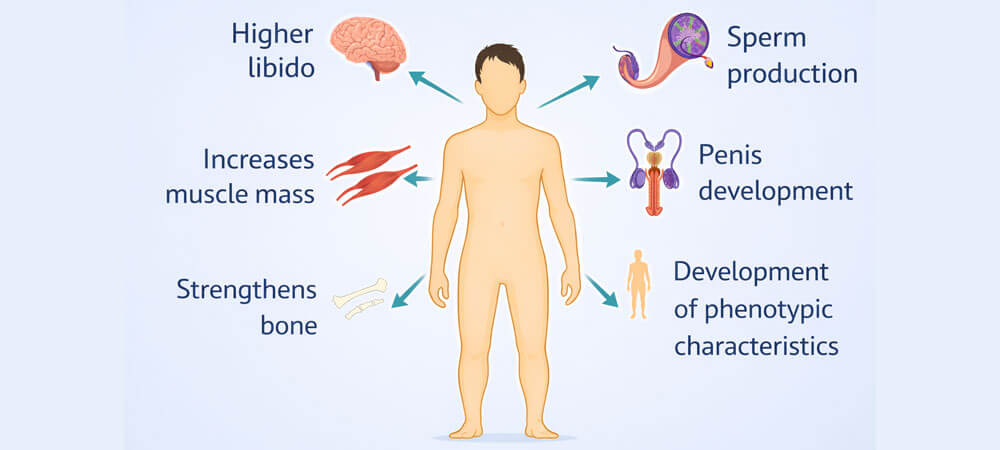
Hormonal & Testosterone Disorders
Hormonal and testosterone disorders occur when the body produces too little or too much
of certain hormones, especially testosterone in men. These imbalances can affect
sexual health, fertility, energy levels, mood, and overall well-being.
Early diagnosis and proper treatment help restore hormonal balance.
What Are Hormonal & Testosterone Disorders?
These disorders involve abnormal hormone levels, particularly low or imbalanced
testosterone. Hormones play a vital role in regulating sexual function, metabolism,
muscle strength, and emotional health.
Common Symptoms:
- Low sexual desire or erectile dysfunction
- Fatigue, low energy, or reduced stamina
- Loss of muscle mass and increased body fat
- Mood changes, depression, or irritability
- Reduced fertility or low sperm count
Causes of Hormonal Imbalance:
-
Aging: Testosterone levels naturally decline with age.
This is a common cause in older men.
-
Obesity: Excess body fat alters hormone metabolism.
Leads to reduced testosterone levels.
-
Chronic illnesses: Diabetes, kidney disease, and liver disorders affect hormone balance.
Can worsen testosterone deficiency.
-
Stress and lifestyle factors: Poor sleep and chronic stress disrupt hormone production.
Negatively impacts testosterone levels.
-
Testicular or pituitary disorders: These glands regulate hormone production.
Dysfunction leads to hormonal imbalance.
Prevention & Lifestyle Care:
- Maintain healthy body weight and balanced nutrition
- Exercise regularly to support hormone production
- Get adequate sleep and manage stress
- Avoid smoking, alcohol, and anabolic steroids
- Seek early medical evaluation for hormonal symptoms
Treatments for Hormonal & Testosterone Disorders:
-
Medical management: Hormone replacement therapy restores testosterone levels.
Prescribed after proper diagnostic evaluation.
-
Medications: Drugs stimulate natural hormone production.
Suitable for selected patients.
-
Lifestyle modification: Weight loss, exercise, and stress management improve hormone balance.
Often used alongside medical treatment.
-
Treatment of underlying conditions: Managing diabetes or pituitary disorders restores balance.
Prevents long-term complications.
-
Regular monitoring: Periodic blood tests ensure safe and effective treatment.
Helps maintain optimal hormone levels.