Urinary Tract Infections (UTI)
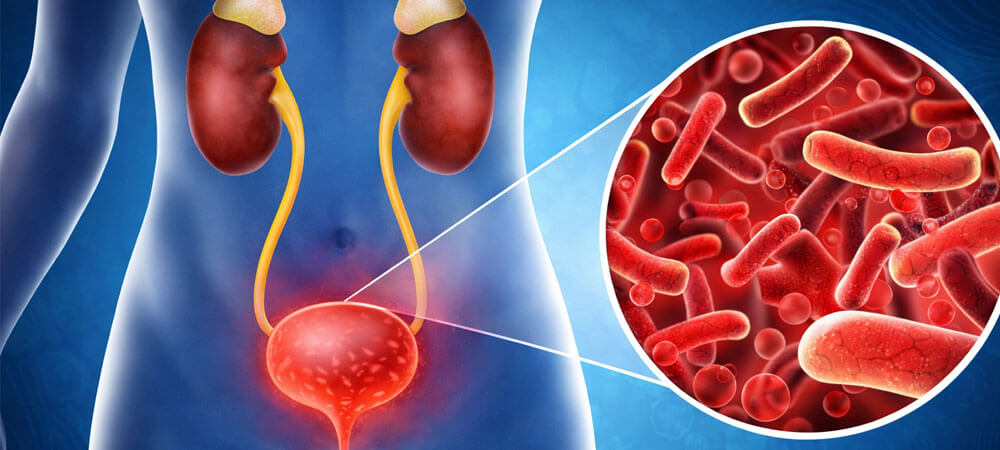
Urinary Tract Infection (UTI) is a common condition caused by bacterial infection
affecting any part of the urinary system, including kidneys, bladder, ureters, or urethra.
UTIs are more common in women but can also affect men and children.
Early diagnosis and proper treatment help prevent complications and recurrence.
What Is a Urinary Tract Infection (UTI)?
A UTI occurs when bacteria enter the urinary tract and multiply.
Most infections involve the bladder and urethra, but untreated UTIs can spread
to the kidneys and cause serious health issues.
Common Symptoms:
- Burning sensation while passing urine
- Frequent urge to urinate with little urine output
- Cloudy, foul-smelling, or bloody urine
- Lower abdominal or pelvic pain
- Fever, chills, or fatigue in severe infections
- Back or flank pain (suggesting kidney involvement)
Causes of Urinary Tract Infections:
-
Bacterial infection: Bacteria entering through the urethra cause infection.
Escherichia coli (E. coli) is the most common organism.
-
Poor hygiene: Improper genital hygiene increases bacterial growth.
This is a common cause, especially in women.
-
Holding urine: Delaying urination allows bacteria to multiply.
This increases the risk of infection.
-
Urinary stones or obstruction: Stones block urine flow.
Stagnant urine promotes bacterial growth.
-
Weak immune system: Diabetes and chronic illness reduce infection resistance.
This makes UTIs more frequent.
-
Catheter use: Long-term catheterization increases infection risk.
Bacteria can enter through the catheter.
Prevention of Urinary Tract Infections:
- Drink plenty of water to flush bacteria from the urinary tract
- Maintain proper genital hygiene
- Do not hold urine for long periods
- Urinate after sexual activity to reduce bacterial entry
- Manage diabetes and chronic medical conditions effectively
Treatments for Urinary Tract Infections:
-
Antibiotic therapy: Targeted antibiotics eliminate the infection-causing bacteria.
Early treatment prevents complications.
-
Pain relief medications: Medicines help reduce burning and discomfort during urination.
These improve patient comfort.
-
Increased fluid intake: Drinking more water helps flush bacteria.
This supports faster recovery.
-
Treatment of underlying cause: Stones, prostate enlargement, or obstruction are managed.
This helps prevent recurrent UTIs.
-
Hospital care: Severe or kidney-related UTIs may require intravenous antibiotics.
Close monitoring ensures safe recovery.