Kidney Stone Treatment
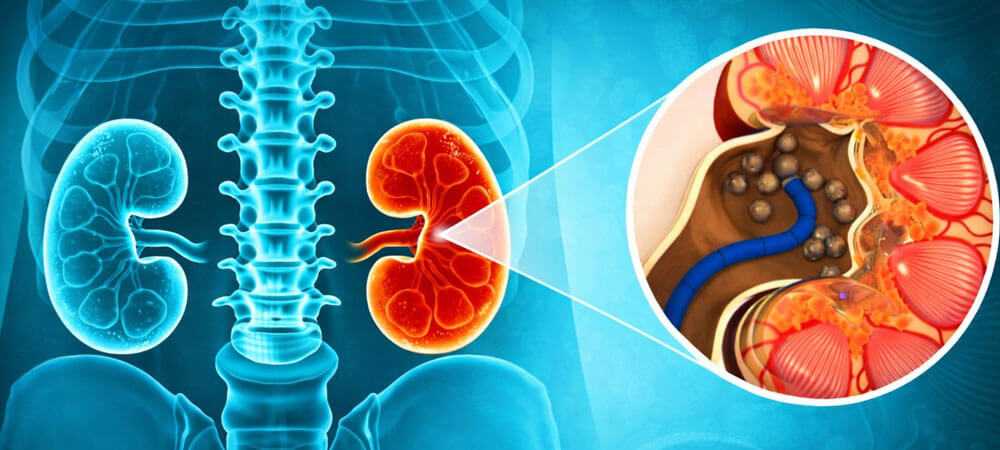
Kidney stones are hard mineral deposits that form in the kidneys and can cause severe pain while passing through the urinary tract. Timely diagnosis and the right treatment help prevent complications such as infections, obstruction, and kidney damage. Our clinic offers advanced, minimally invasive kidney stone treatment tailored to each patient’s condition.
What Are Kidney Stones?
Kidney stones develop when minerals like calcium, uric acid, or oxalate crystallize in the urine. They can vary in size—from tiny grains to large stones that block urine flow—and may affect the kidneys, ureters, bladder, or urethra.
Common Symptoms:
- Severe pain in the back, side, or lower abdomen
- Pain or burning during urination
- Blood in urine (pink, red, or brown urine)
- Frequent urge to urinate
- Nausea and vomiting
- Fever or chills (in case of infection)
Causes of Kidney Stones:
-
Low water intake: Dehydration reduces urine volume, allowing minerals to concentrate.
Over time, these minerals crystallize and form kidney stones.
-
High salt intake: Excess sodium increases calcium excretion in urine.
This significantly raises the risk of calcium stone formation.
-
Excess animal protein: High protein diets increase uric acid levels.
They also reduce citrate, a natural substance that prevents stones.
-
High calcium or oxalate: These substances combine in concentrated urine.
This leads to hard crystal deposits forming inside the kidneys.
-
Family history: Genetic factors increase susceptibility to kidney stones.
People with family history are more prone to recurrence.
-
Urinary tract infections: Certain bacteria change urine composition.
This can cause fast-growing infection-related kidney stones.
-
Obesity and inactivity: Excess body weight alters body metabolism.
This increases mineral imbalance and stone formation risk.
-
Medical conditions: Disorders like gout and diabetes affect urine chemistry.
These conditions increase the chances of kidney stone development.
-
Long-term supplements: Excess calcium or vitamin D intake raises urine calcium.
This may contribute to kidney stone formation over time.
-
Holding urine: Delaying urination allows minerals to stay longer in kidneys.
This promotes crystallization and stone formation.
Preventions:
- Drink sufficient water daily to dilute urine and prevent kidney stone formation.
- Limit salt intake to reduce excess calcium levels in urine.
- Follow a balanced diet with moderate protein to prevent uric acid buildup.
- Avoid excessive oxalate-rich foods that contribute to kidney stone formation.
- Maintain a healthy body weight to reduce the risk of kidney stones.
- Do not hold urine for long periods as it promotes mineral crystallization.
- Take calcium and vitamin supplements only under proper medical supervision.
- Follow medical advice and regular check-ups if you have previous kidney stones.
Treatments for Kidney Stones:
-
Medical management: Small kidney stones can pass naturally with increased fluid intake.
Pain relief and medications help relax the urinary tract and ease stone passage.
-
Pain management: Painkillers and anti-inflammatory medicines control severe discomfort.
This provides relief while the stone passes or until further treatment.
-
Shock Wave Lithotripsy (ESWL): Non-invasive shock waves break stones into smaller fragments.
These fragments are passed naturally through urine.
-
Ureteroscopy (URSL): A thin scope is passed through the urinary tract.
Stones are removed or broken using laser technology.
-
Retrograde Intrarenal Surgery (RIRS): Advanced laser treatment for kidney stones.
Performed without any incision, ensuring faster recovery.
-
Percutaneous Nephrolithotomy (PCNL): Minimally invasive surgery for large or complex stones.
Stones are removed through a small incision in the back.
-
Open or laparoscopic surgery: Rarely required for very large or complicated stones.
Recommended only when minimally invasive methods are unsuitable.
-
Preventive treatment: Dietary changes and medications reduce stone recurrence.
Regular follow-ups help maintain long-term kidney health.
Please click here for more information - Important-Links