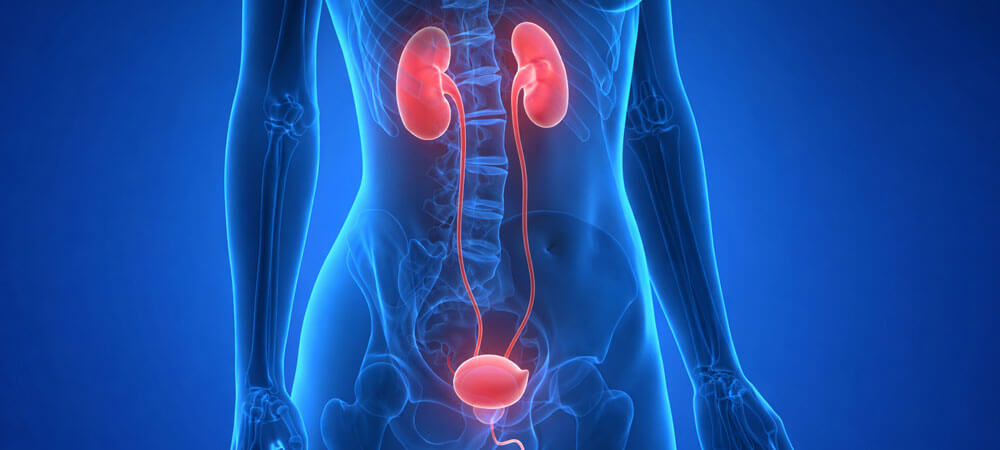
Female Urology Care
Female urology care focuses on the diagnosis and treatment of urinary and pelvic floor
conditions affecting women. These conditions can significantly impact comfort, confidence,
and daily activities. Specialized evaluation and personalized treatment help restore
bladder health and improve quality of life.
What Is Female Urology?
Female urology is a specialized branch of urology that addresses urinary and pelvic floor
disorders unique to women. It includes both non-surgical and surgical management of
bladder, urethral, and pelvic conditions.
Common Conditions Treated:
- Urinary incontinence
- Recurrent urinary tract infections (UTIs)
- Overactive bladder
- Pelvic floor disorders
- Painful bladder syndrome (Interstitial cystitis)
- Bladder prolapse and pelvic organ prolapse
Common Symptoms:
- Involuntary leakage of urine
- Frequent or urgent need to urinate
- Pelvic pressure or heaviness
- Pain or burning during urination
- Difficulty emptying the bladder completely
Causes of Female Urological Problems:
-
Pregnancy and childbirth: Weakens pelvic floor muscles.
This can lead to bladder control issues.
-
Hormonal changes: Reduced estrogen after menopause affects bladder tissues.
This increases urinary symptoms.
-
Aging: Natural weakening of pelvic muscles occurs over time.
This increases urinary problems.
-
Pelvic surgeries: Prior gynecological procedures may affect bladder support.
This can lead to urinary dysfunction.
Prevention & Lifestyle Care:
- Practice pelvic floor (Kegel) exercises regularly
- Maintain healthy body weight
- Avoid bladder irritants like caffeine and alcohol
- Do not delay urination for long periods
- Seek early consultation for urinary symptoms
Treatments in Female Urology Care:
-
Pelvic floor rehabilitation: Strengthens muscles controlling bladder function.
Effective for incontinence and prolapse.
-
Medications: Control urgency, frequency, and bladder spasms.
Used for overactive bladder and infections.
-
Minimally invasive procedures: Injections and laser treatments improve bladder control.
Suitable for patients not responding to medications.
-
Surgical treatment: Corrects prolapse and severe incontinence.
Advanced techniques ensure faster recovery.
-
Personalized care plans: Treatment tailored to patient age, condition, and lifestyle.
Focused on long-term symptom relief.